How to Identify Essential Window Parts for Your Project?
Identifying essential window parts is crucial for any construction project. Understanding these components ensures longevity and proper functionality. According to the Window and Door Manufacturers Association (WDMA), over 70 million residential windows are manufactured annually in the United States. This highlights the significance of choosing the correct window parts.
Window parts include frames, sashes, and glazing. Each plays a role in energy efficiency and curb appeal. A study by the Lawrence Berkeley National Laboratory reveals that energy-efficient windows can reduce energy bills by up to 15%. However, many homeowners overlook the importance of quality parts. Subpar materials can lead to drafts or moisture issues.
Moreover, proper installation requires knowledge of each window part's function. Neglecting to understand these aspects can result in costly errors. It is vital to consult with experts or conduct thorough research. Engaging with reliable sources can guide your selections effectively. Remember, not every window part is created equal, and quality matters.
Overview of Essential Window Parts and Their Functions
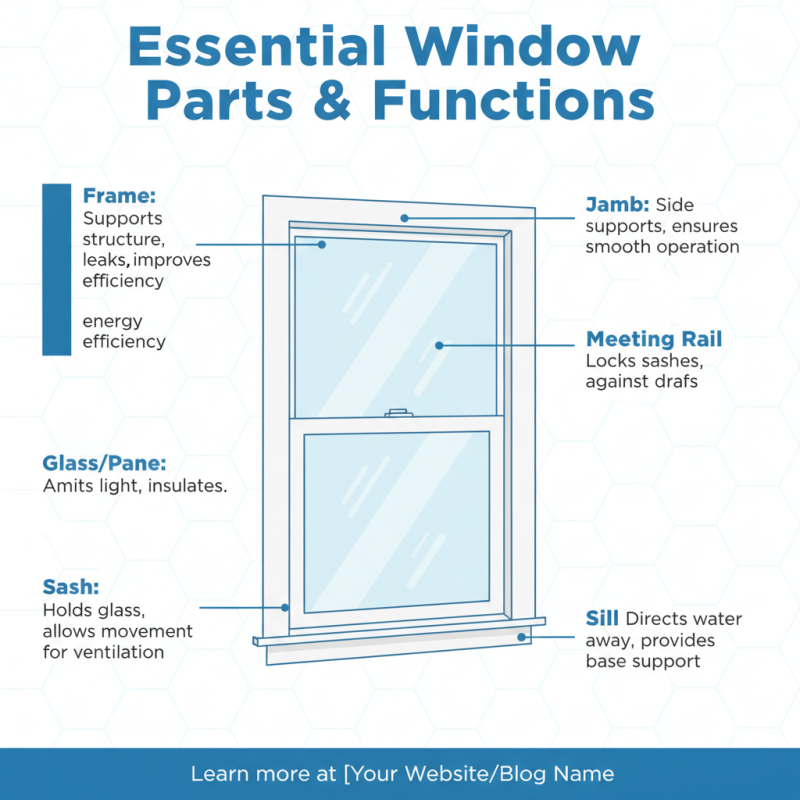
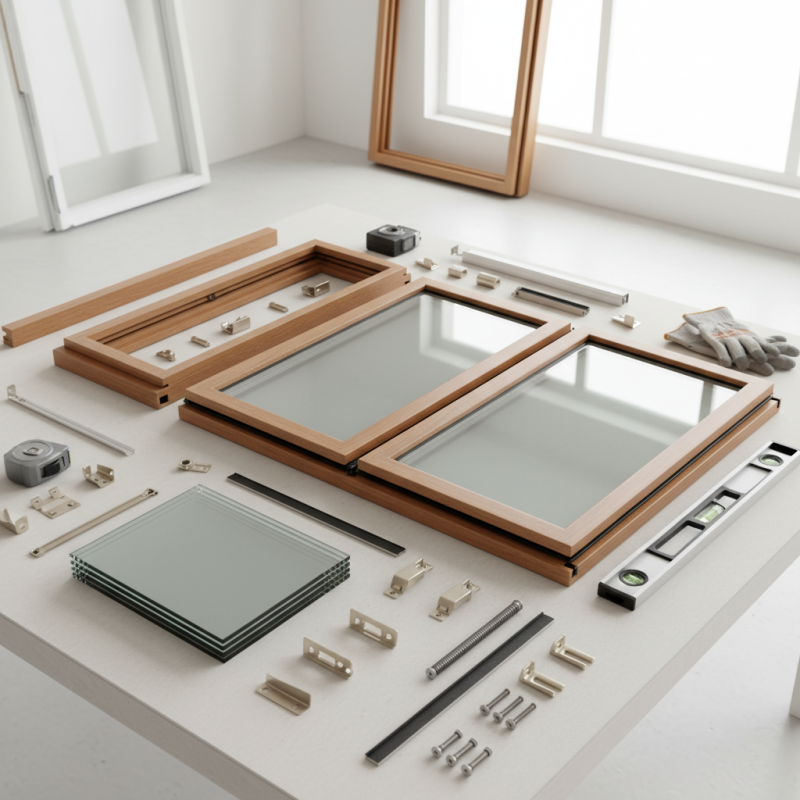
When working on window projects, understanding essential parts is crucial. Each component plays a significant role in functionality and durability. The frame, for instance, supports the entire window structure. It also defines the overall strength. Quality frames can prevent air leaks and improve energy efficiency.
Another vital part is the sash. This is the moveable part of the window that holds the glass. Sashes come in different designs, impacting ventilation and access. A well-designed sash can enhance both aesthetics and performance. Glass is equally important. It provides insulation and security. Selecting the right type of glass can affect visibility and energy savings.
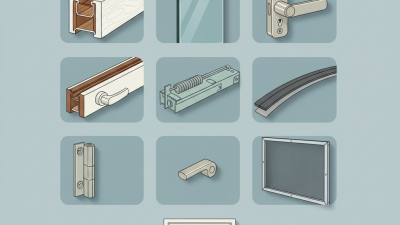
Don’t overlook hardware, like locks and hinges. These parts ensure functionality and safety. Poor-quality hardware can lead to issues later. Pay attention to all these elements when planning your window project. Each part should align with your needs and preferences. The right combination will lead to better performance and satisfaction. Consider your choices carefully.
Types of Windows and Their Component Variations
When identifying essential window parts, understanding the variations in window types is crucial. Each type, whether a double-hung, casement, or sliding window, has unique components that serve specific purposes. For instance, a double-hung window typically includes two operable sashes that slide vertically, allowing for easy ventilation. This design also features pulleys and weights, which might require maintenance over time.
Casement windows, on the other hand, hinge from the side and open outward. Their components include a crank mechanism, which may wear out or become stuck with age. Understanding these differences helps in selecting the right parts for repairs and upgrades. Sliding windows are both simple and functional, using tracks and rollers to glide open. However, dirt accumulation in these tracks can hinder operation, revealing the need for periodic cleaning and lubrication.
Knowing the variations in window types allows for better planning and execution of your project. Yet, one must not ignore the significance of quality materials and proper installation techniques. Poor choices can lead to inefficiencies and increased costs in the long run. Being aware of your window’s fundamental parts is essential in maintaining their longevity and performance.
How to Measure and Identify Window Part Sizes
When measuring window parts, precision is crucial. Use a tape measure for accurate dimensions. Begin by measuring the width of the window frame in three locations: the top, middle, and bottom. Record the smallest width. This prevents a costly mistake when ordering new materials.
Next, measure the height. Again, take three measurements: the left, middle, and right sides of the frame. The shortest measurement is essential for a proper fit. Industry data suggests that 70% of installation errors stem from incorrect measurements. Therefore, double-checking your figures is a worthwhile practice.
Don't overlook depth. This measurement affects the type of materials you can use. Use a caliper for the most accurate depth readings. Specialists recommend considering the insulation and any trim that may alter the final dimensions. Accurate measurements help ensure that the final installation is not just functional but visually appealing as well. Sometimes, overlooked details can make a significant difference, leading to issues like drafts or improper sealing.
Common Materials Used in Window Manufacturing
When choosing window materials, understanding their characteristics is essential. Common options include wood, vinyl, fiberglass, and aluminum. Each material has unique properties that affect durability, insulation, and maintenance.
Wood offers a classic aesthetic appeal. It provides excellent insulation but requires regular maintenance. Water damage and rot are concerns for wooden windows. Vinyl, on the other hand, is low-maintenance and energy-efficient. It resists fading, but color options may be limited.
Fiberglass is gaining popularity for its strength and energy efficiency. It mimics wood but does not warp or crack. Aluminum is lightweight and durable, making it suitable for modern designs. However, it conducts heat, which can reduce energy efficiency. Making the right choice often requires weighing these pros and cons carefully. Each material has its limitations, and personal preferences play a significant role.
Tips for Sourcing and Replacing Window Parts
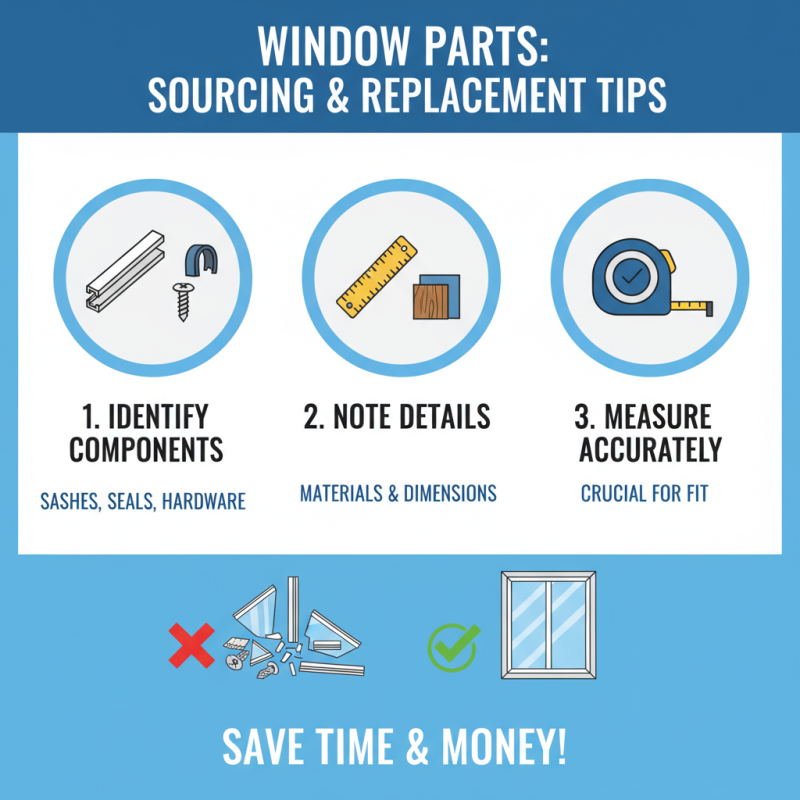
When sourcing replacement window parts, focus on understanding what you need. Start by identifying the specific components. Common parts include sashes, seals, and hardware. Take note of the materials and dimensions. This will help in finding the correct match for your project. Measuring accurately is crucial. Incorrect sizes can lead to wasted time and money.
Local hardware stores often have a limited selection. Explore online resources for a wider range. Look for specialized suppliers that focus on window components. They usually provide detailed product descriptions. This can guide you in making an informed choice. Check forums and reviews for advice from others who have completed similar projects. Their experiences can be valuable.
It's possible that replacement parts may not perfectly match your windows. Sometimes you may need to make adjustments. Be prepared for some trial and error. Document your process to refine your approach. If certain parts don't fit, reassess your measurements. Reflect on your choices and consider alternative solutions. Window repair can be complex, but with careful sourcing and a flexible mindset, you can achieve satisfactory results.