How to Choose the Best Double Glazing for Your Home?
Choosing the right double glazing for your home is crucial. This decision impacts energy efficiency, noise reduction, and overall comfort. Double glazing consists of two glass panes separated by a space filled with gas. This design provides better insulation than single glazing.
As you explore options, consider factors like frame material and the type of glass. Upgrading to double glazing can be a significant investment, but it may save money on energy bills in the long run. Look for features such as low-emissivity coatings and argon gas filling. However, the installation process can be complex.
Research reputable suppliers and check their credentials. Seek professional advice to avoid costly mistakes. Remember, the ideal double glazing for one home may not suit another. Tailor your choice to meet your specific needs and preferences.
What is Double Glazing and How Does It Work?
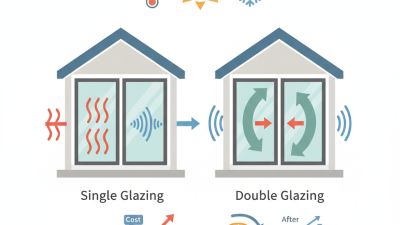
Double glazing is a popular choice for homeowners aiming to improve energy efficiency. It consists of two panes of glass with a gap in between, often filled with argon gas. This design creates an insulating barrier. According to the Energy Saving Trust, double glazing can reduce heat loss by up to 50%. This makes homes warmer and reduces energy bills.
The technology works by trapping air between the glass panes. This trapped air slows down the transfer of heat. In colder months, warmth stays inside. In summer, it keeps heat outside. A study by the Glass and Glazing Federation indicates that double glazing can cut CO2 emissions by 680kg per year for an average home. That’s a significant environmental impact.
However, not all double glazing is created equal. The effectiveness depends on the thickness of the glass, the quality of the seal, and the type of frame used. Some homeowners report issues with condensation if the seals fail. This can lead to mold growth, which is concerning for health. It is vital to research and choose products that come with reliable warranties.
Key Benefits of Installing Double Glazing in Your Home
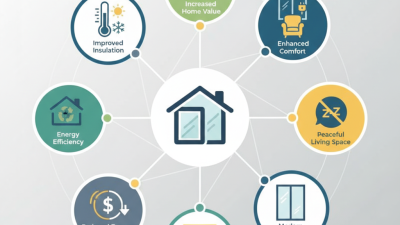
Double glazing offers a range of benefits that can significantly enhance your home’s environment. Studies show that double glazed windows can reduce heat loss by up to 50%. This means that your home stays warmer in winter and cooler in summer. The result is lower energy bills and a reduced carbon footprint, which is increasingly important in today's environmentally conscious society.
Another advantage is the enhancement of sound insulation. Research indicates that double glazing can reduce outside noise by as much as 60%. This is particularly valuable in urban areas where noise pollution can disturb daily life. Homeowners often report a noticeable difference in their quality of life after installation. They find their homes are quieter and more peaceful.
However, it's important to consider the initial investment. While double glazing saves money in the long run, the upfront costs can be considerable. Furthermore, the installation process may require planning and adjustments. Some homeowners might face challenges, including the need for professional assistance. Weighing these factors is crucial for making an informed decision about your home’s future.
Key Benefits of Double Glazing Installation
This chart illustrates the percentage impact of various benefits gained from installing double glazing in homes.
Factors to Consider When Choosing Double Glazing Materials
Choosing the right double glazing for your home involves several key factors. First, consider the frame material. Popular options include uPVC, timber, and aluminum. Each material has distinct benefits and drawbacks. A study by the Glass and Glazing Federation highlights that uPVC frames offer excellent insulation and low maintenance, while timber provides natural aesthetics but requires more upkeep.
Another essential factor is energy efficiency. Look for glazing units with a low U-value, which indicates better insulation properties. According to recent industry reports, double glazing can reduce energy consumption by up to 18%. This effect not only lowers your energy bills but also contributes to a more sustainable home environment.
Tips: When selecting your glazing, assess your local climate. Also, consider the performance ratings of various options. Don't shy away from consulting an expert. Their advice can help you navigate choices effectively. Balancing cost and performance may feel challenging, but informed decisions lead to long-term benefits. Always research materials and their lifecycle to evaluate sustainability.
Understanding Energy Ratings and Efficiency in Double Glazing
Choosing the best double glazing for your home can significantly impact energy efficiency. Understanding energy ratings is crucial. These ratings assess how well windows insulate your home. They indicate heat loss and sound insulation. Look for windows with high energy ratings. They can save you money on heating costs and reduce your carbon footprint.
Double glazing works by trapping air between two panes of glass. This layer acts as an insulator. The gap reduces heat transfer. However, not all double glazing is created equal. Certain frames and gas fills can enhance performance. You might notice a significant difference with argon gas insulation. Investing time in research pays dividends in comfort and savings.
Many people overlook the importance of proper installation. Even the best windows won’t perform well if installed incorrectly. Gaps and poor seals can lead to energy loss. Check for certified professionals who understand the specifics of double glazing. It’s a critical step in maximizing efficiency and longevity.
Comparing Costs: Single vs. Double Glazing Options
When considering new windows, it's essential to weigh the costs of single versus double glazing. Double glazing typically costs more upfront. However, the long-term savings can be significant. Double-glazed windows provide superior insulation. This can lead to lower energy bills over time. The initial investment may seem steep, but the energy efficiency is worth it.
Single glazing has its charm and lower initial cost. Many older homes feature these windows. They can be easier to install and replace. However, they do not offer the same thermal performance. Homeowners may experience higher heating and cooling costs. It's critical to evaluate your home's needs carefully.
The choice may also depend on local climate conditions. In colder regions, double glazing is often essential. In milder climates, single glazing might suffice. Think about noise reduction as well. Double glazing often reduces outside noise considerably. Ultimately, evaluate your priorities. What may seem like a minor investment can lead to greater comfort and savings.